Paid search (Google Ads) for software products
Paid search puts your product in front of people at the moment they look for a solution, and a careful setup keeps the traffic relevant.
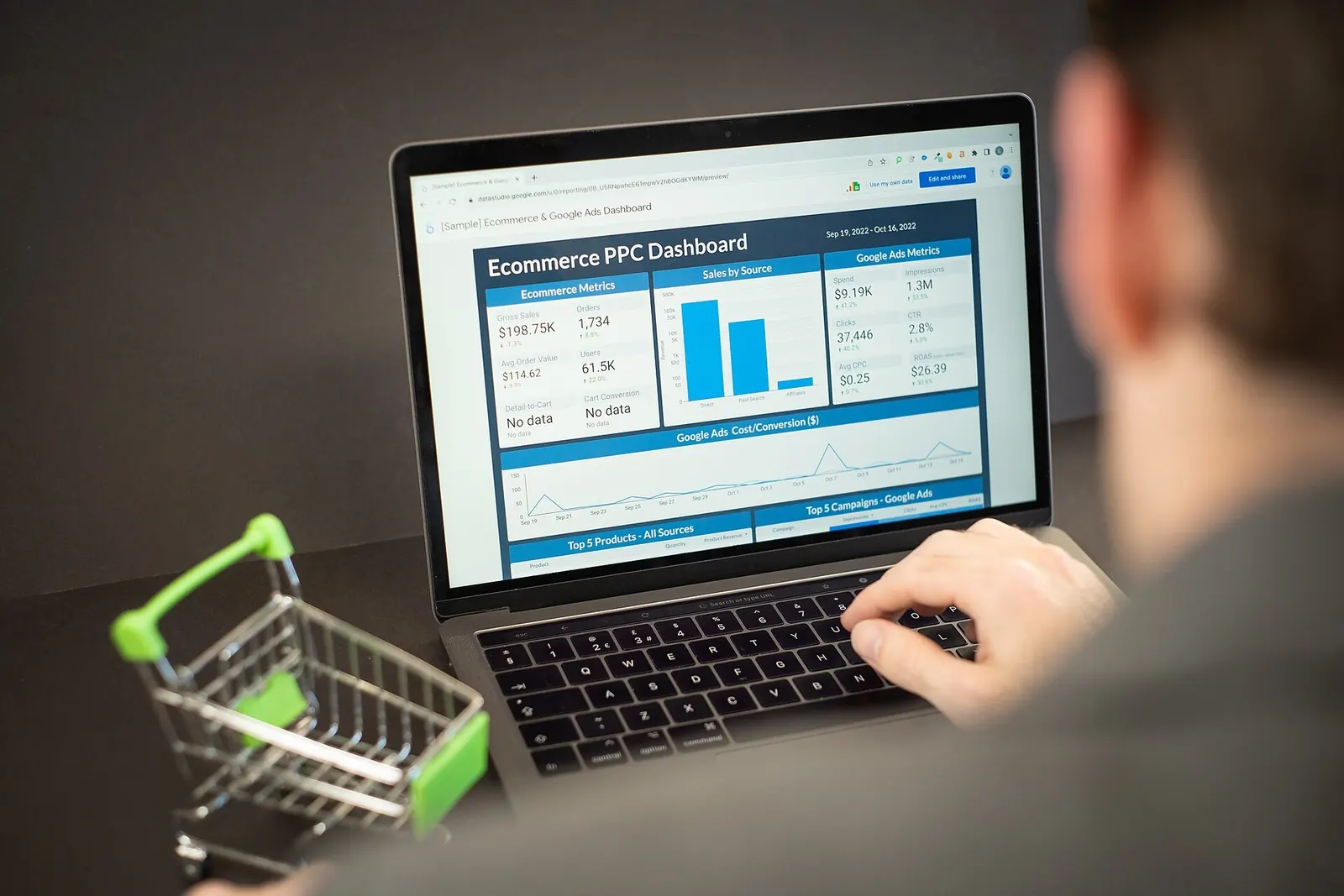
People who type a problem into a search engine are often ready to compare tools. Paid search lets a software product appear in that moment. It works best when the plan is simple, the targeting is tight and the results are reviewed on a regular schedule.
Start with the problem, not the product name
Most buyers do not know your product exists. They search for the task they want done, such as "track time across projects" or "invoice software for freelancers". Begin keyword research by listing the jobs your software does and the words a customer would use to describe them.
- Problem terms: describe the pain or the task.
- Solution terms: name the category, for example "scheduling app".
- Comparison terms: people weighing up alternatives.
- Brand terms: people who already know you and should find you easily.
Group keywords into focused ad groups
Each ad group should cover one theme. When keywords and ad text match closely, the ad feels relevant and the visitor lands on a page that answers the exact question. A few tight groups usually beat one large, mixed campaign.
Add negative keywords early. Words such as "free", "jobs" or "tutorial" can bring clicks from people who will never become users, depending on your product. Review the search terms report to find more as the campaign runs.
Build landing pages that match the ad
An ad promises something. The page it leads to should deliver it in the first screen. Keep the message clear, show what the product does, and offer one next step, such as a demo request or a trial.
- Repeat the wording the visitor searched for in the headline.
- Keep the page fast on mobile.
- Remove menus and links that pull people away from the main step.
- Keep forms short.
Measure what matters
Clicks are only a starting point. Set up conversion tracking for the actions that show real interest: sign-ups, demo requests, completed trials. Connect your ad account to your analytics tool so you can see which keywords lead to useful outcomes, not just visits.
Agree on a cost you can accept for each valuable action before you spend. That figure guides every later decision.
Review on a steady rhythm
Paid search is not a set-and-forget channel. A simple routine helps:
- Weekly: check the search terms report, add negatives, pause weak ads.
- Monthly: compare ad groups by cost per conversion and move budget to the strongest.
- Quarterly: test new ad wording and landing page changes, one change at a time.
Change one thing at a time so you can tell what made the difference, and give each test enough time to collect meaningful data.
Working with your development team
Paid search gets easier when the product and the marketing talk to each other. Tracking events, landing pages and sign-up flows all need development time. If you are planning a launch, a clear brief helps; our guide on how to brief a development project covers what to prepare. You can also see how we build web applications or look at other open roles on the careers page.