Maintenance and support
A live product needs steady care after launch, and a clear routine for handling requests keeps it reliable and moving forward.
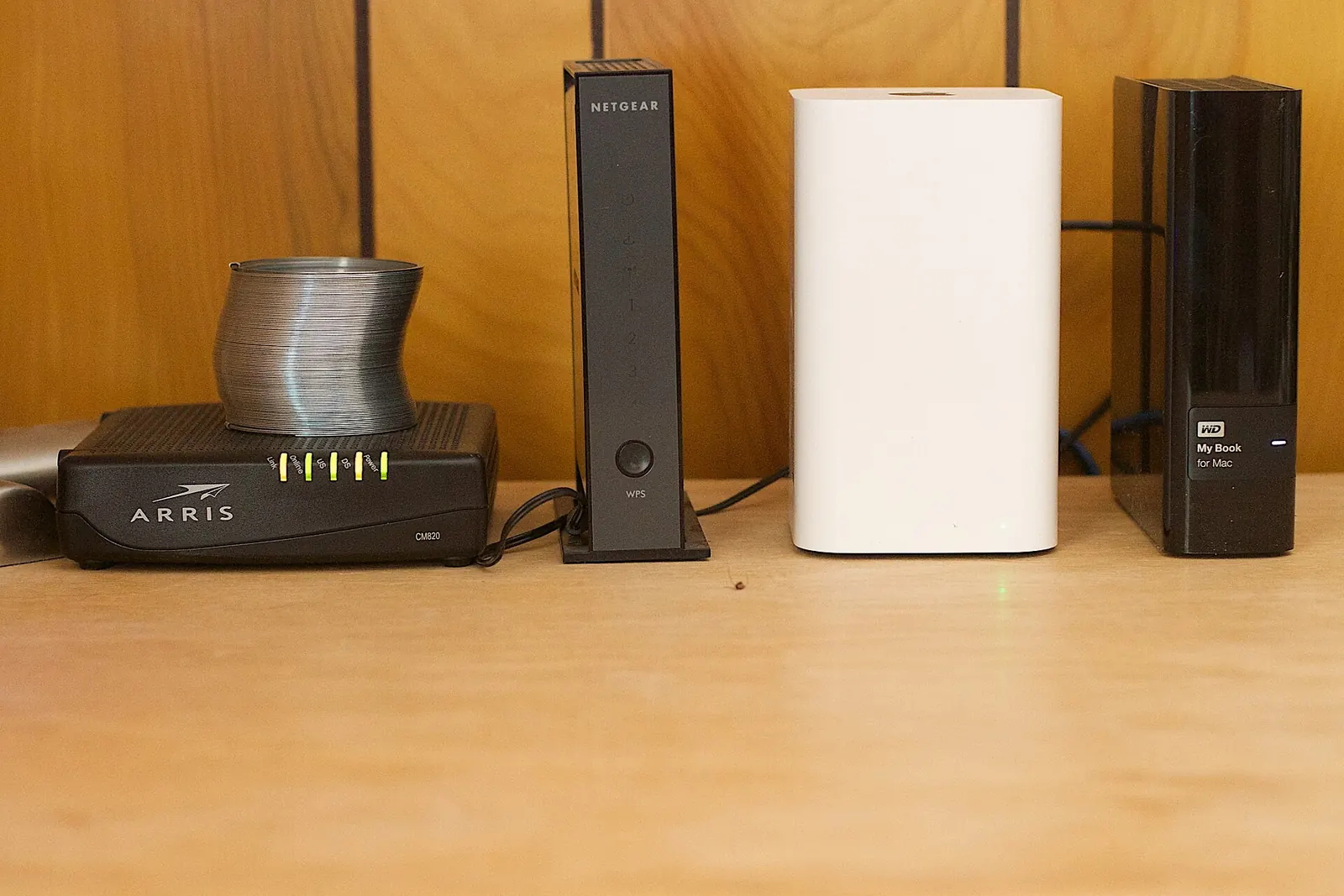
Launching software is the start of its working life, not the end of the project. Browsers change, libraries age, traffic patterns shift and users find paths nobody tested. Maintenance is the regular work that keeps a product dependable while it keeps up with the world around it.
What ongoing care covers
- Bug fixes. Reproducing a reported problem, finding the cause, fixing it and checking that nothing nearby broke.
- Dependency updates. Frameworks, packages and runtimes release new versions and retire old ones. Updating in small, regular steps is far easier than catching up after years of delay.
- Monitoring. Watching error rates, response times, server health and scheduled jobs so problems are noticed before users report them.
- Security patches. Applying fixes for known weaknesses in the code and the software it relies on.
- Small improvements. Minor changes such as a clearer form, a new filter or a faster report, which do not need a full project.
- Backups and recovery checks. Confirming that backups exist and that a restore actually works.
How requests are handled
Every request goes into one shared queue, so nothing lives only in an email thread or someone's memory. A good request says what happened, where, and what was expected instead. Screenshots, steps to reproduce and the affected browser or device save a lot of time.
- Intake. The request is logged and acknowledged.
- Triage. We confirm the problem, estimate its size and decide which category it belongs to.
- Scheduling. Urgent items start straight away; the rest are planned into the next working cycle.
- Delivery. The change is made, tested and released, usually with a short note on what changed.
- Follow-up. We check that the fix holds in real use before closing the item.
How priorities are set
Priority depends on impact, not on who asks loudest. Three questions guide most decisions:
- Is the product down or is data at risk?
- How many users are affected, and is there a workaround?
- Does the issue block something important to the business right now?
Outages and data problems come first. Broken features with no workaround come next, followed by irritations and improvements. Your team can reorder the list at any time, and we explain the trade-offs when a change pushes something else back.
Working across time zones
Offshore support works best with a defined overlap window for urgent matters and a clear hand-off at the end of each day. Read more on how we handle time zones.
Choosing a support arrangement
Some products need a small block of hours each month; others need a dedicated person who knows the code well. Our guide to engagement models compares the options, and a dedicated team or staff augmentation can suit larger products. If your product also needs regular testing, see QA and testing.
To talk through what your product needs, visit the contact page.