Choosing an engagement model
The way you contract software work shapes how change, risk and cost are handled, so it is worth choosing deliberately before the first line of code.
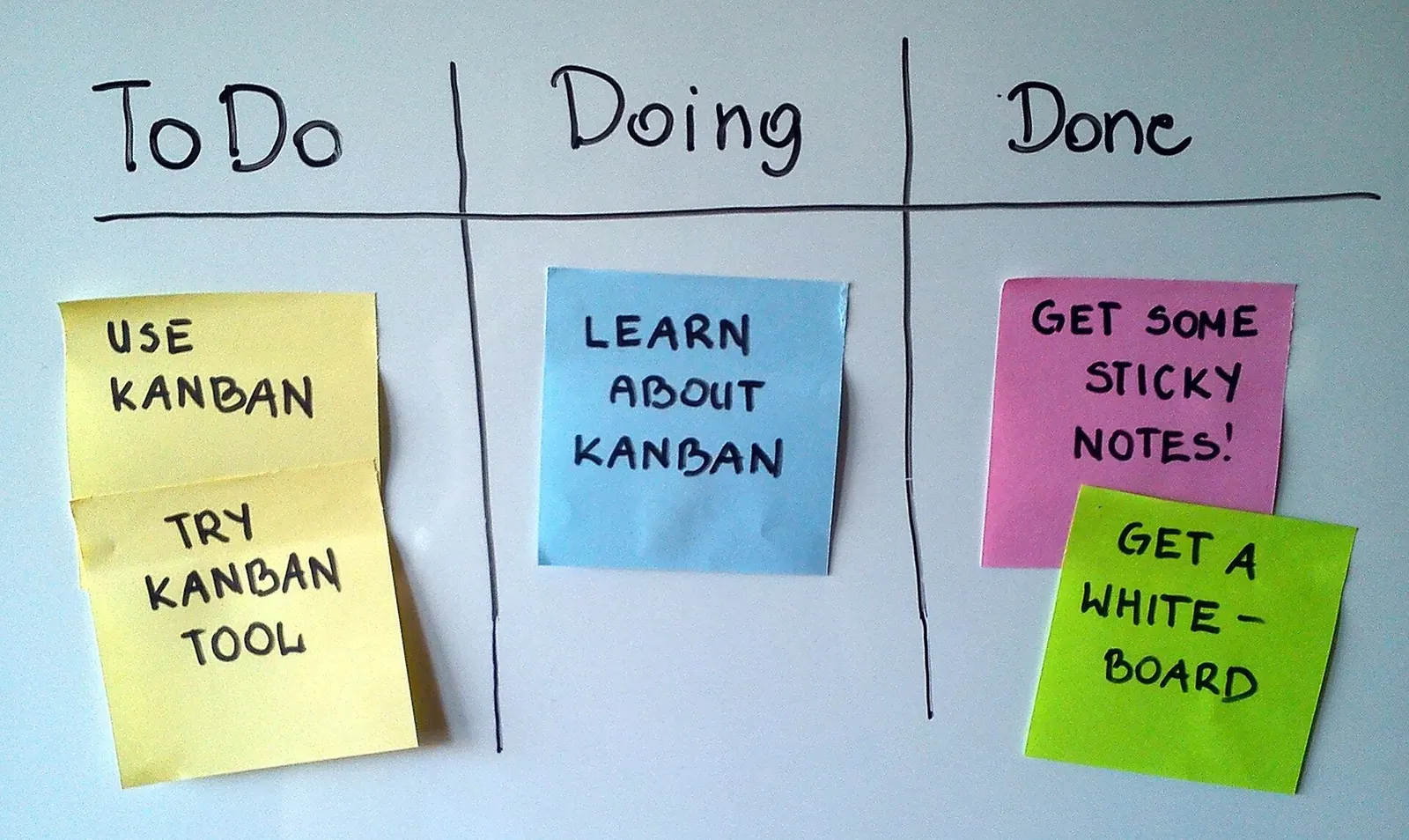
Most software contracts follow one of three patterns: a dedicated team, time and materials, or a fixed price. None of them is better in general. Each one moves risk and flexibility to a different place, and the right choice depends on how well you can describe the work today.
Dedicated team
You work with a group of engineers, and often a QA specialist and a project lead, who work on your product over a long period. You pay for the team's capacity rather than for a list of features.
Strengths
- The team builds deep knowledge of your product and codebase.
- Priorities can change from one week to the next without renegotiating anything.
- Communication is steady, because the same people stay in the conversation.
Limits
- You need someone on your side who can set priorities and answer questions regularly.
- It makes less sense for a short, narrow task.
- Cost continues whether the backlog is full or thin, so planning matters.
This model suits products that will keep evolving. Read more on dedicated teams, or see staff augmentation if you only need to add a few people to a team you already run.
Time and materials
You pay for the effort actually spent, usually based on hours or days worked, with regular reports on what was done. Scope can be described loosely at first and refined as you learn.
Strengths
- Easy to start, since you do not need a complete specification.
- Flexible when requirements shift or discoveries change the plan.
- You pay for work done, and you can pause or stop when you choose.
Limits
- The final cost is not known up front, so you need a budget ceiling and regular reviews.
- It relies on good reporting and trust between both sides.
It works well for early products, prototypes, ongoing improvements and maintenance and support where the volume of requests varies.
Fixed price
You agree on a defined scope, a schedule and a total cost before work begins. Changes outside that scope are handled as separate agreed adjustments.
Strengths
- Predictable budget and clear deliverables.
- Simple to compare between suppliers and to approve internally.
Limits
- It needs a detailed, stable brief. Vague scope leads to disputes over what was included.
- Change is slower, because each alteration needs discussion.
- Suppliers may add a buffer to cover uncertainty.
It fits small, well-understood projects such as a marketing site, a fixed integration or a one-off migration. A strong brief is the key ingredient, so see how to brief a development project.
How to choose
- How clear is the scope? Clear and stable points to fixed price. Unclear or evolving points to time and materials or a dedicated team.
- How long will the work last? A few weeks suggests fixed price or time and materials. Many months suggests a dedicated team.
- How much management can you provide? Dedicated teams reward active involvement.
- How tolerant are you of cost variation? If the budget is strict, fix the scope and keep it small.
Mixing models
Many projects combine them. A short fixed-price discovery phase can produce a clear plan, followed by a dedicated team for the build, and later a lighter support arrangement. Whichever you pick, agree up front on code ownership and how the team will work across time zones.
If you are unsure which fits, describe your project on the contact page and we can talk through the options.