Offshore or nearshore: which fits you?
Both models put developers outside your own country, but they differ in how much of the working day you share and how much coordination they ask of you.
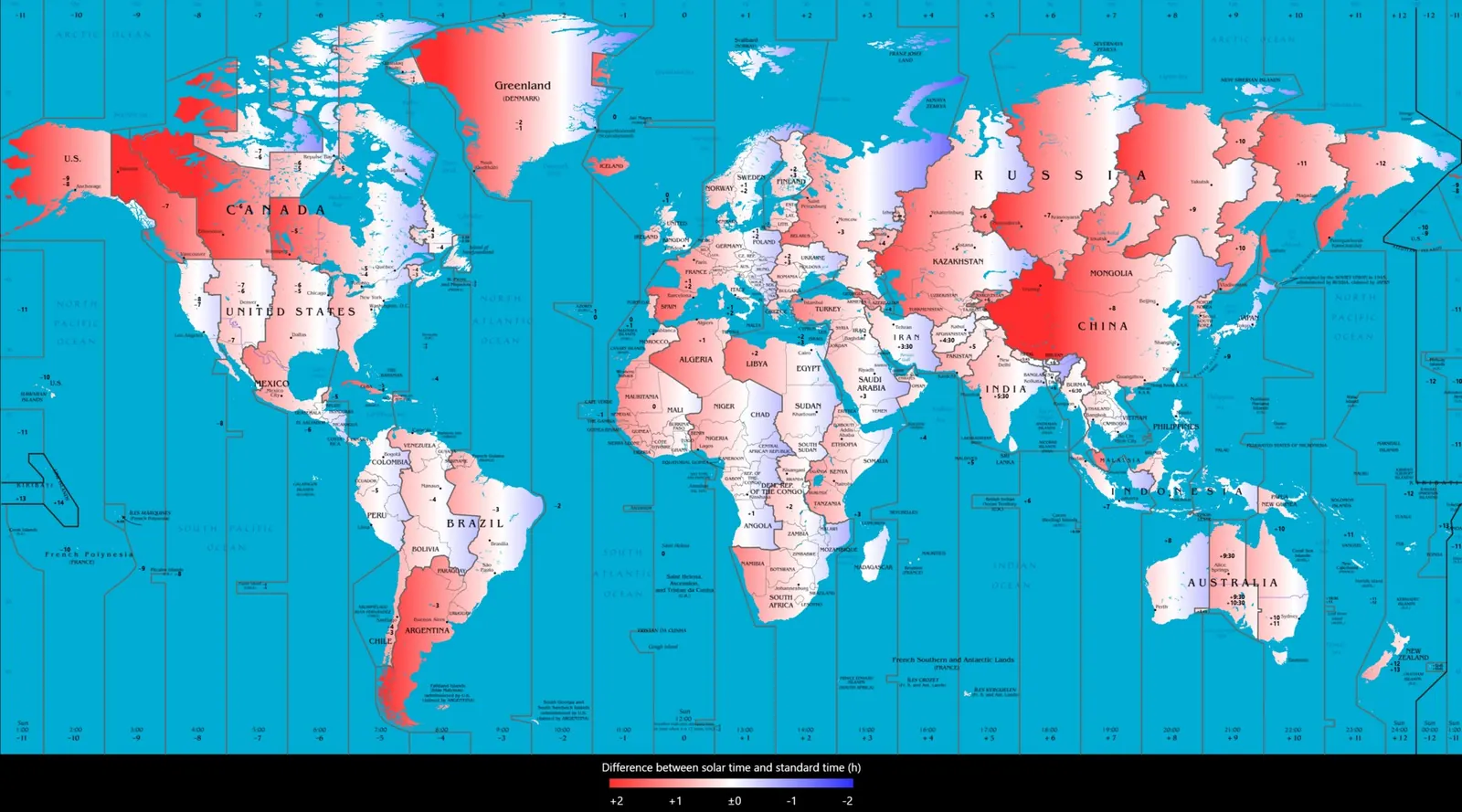
Offshore usually means a team several time zones away, often on another continent. Nearshore means a team in a neighbouring country or a nearby region, with only a small time difference. Neither is better in general. The right choice depends on how your work is organised and how much real-time contact it needs.
Time-zone overlap
This is the biggest practical difference. A nearshore team typically shares most of your working day, so a quick question gets an answer within minutes. An offshore team may share only a few hours with you, or none at all.
Less overlap is not automatically a problem. Many teams make it work with a fixed shared window and good written habits. Our page on time zones explains how that can look in practice.
Communication
With high overlap, you can rely on calls, live pairing and spontaneous chats. With low overlap, you rely more on written updates, clear tickets and recorded demos. Written work takes more effort at first, but it leaves a useful record and often improves clarity.
- Nearshore: easier for workshops, fast-changing requirements and close collaboration.
- Offshore: suits well-defined tasks, steady delivery and work that can move forward while you are offline.
Cost drivers
Rates often differ between regions, but the rate is only one part of the picture. Total cost also depends on:
- how much time you spend managing and explaining the work;
- how often rework is needed because of unclear requirements;
- team size and seniority;
- the length of the engagement and how stable the scope is.
A lower hourly rate can be offset by extra coordination, and a higher one can pay for itself through smoother delivery. Compare total effort, not just rates.
Management effort
Nearshore tends to need less formal process because problems surface quickly in conversation. Offshore rewards structure: a well-kept backlog, written acceptance criteria, regular demos and a named person who can make decisions. If you do not have time for that, consider a model where the provider handles more of the coordination, as described in engagement models.
Questions to help you choose
- Does your project need daily live discussion, or can most of it be handled in writing?
- Is your scope fairly clear, or will it change often?
- Who on your side will answer questions, and when are they available?
- Do you need support outside your normal working hours?
- Are you adding people to an existing team or handing over a whole piece of work?
- How much management time can you realistically give each week?
If most answers point to fast feedback and changing requirements, nearshore is probably the easier fit. If your scope is clear, your process is documented and you want continuous progress, offshore can work very well.
Next steps
A good brief makes either model easier. Read how to brief a development project, then look at dedicated teams or staff augmentation. If you would like to talk it through, get in touch.