How we work
Every engagement follows the same simple path, so you always know what has happened, what is happening and what comes next.
Working with a team in another country should feel clear and predictable. This page walks through the stages of a typical engagement and what you can expect at each one. Details vary by project, but the order rarely does.
1. Discovery call
We start with a conversation. The goal is to understand your product, your users, your current setup and what a good result looks like for you.
It helps to bring:
- A short description of the problem or idea
- Any existing code, designs or documents
- Your rough timeline and the people who will be involved on your side
- Questions about tools, communication and working hours
If you have not written a brief yet, our guide on how to brief a development project will help you organise your thoughts before we talk.
2. Proposal
After the call, we send a written proposal. It sets out the scope, the proposed team shape, the way we will work together and the milestones we suggest. You should be able to read it and know who does what, and when.
The proposal also names the engagement model we recommend. If you want to compare options first, see engagement models explained, or read about dedicated teams and staff augmentation.
3. Team set-up
Once you agree on the plan, we assemble the people. We match skills to your stack and your product, then introduce the team to you directly.
During set-up we usually:
- Agree on a shared channel for day-to-day messages
- Set up repositories, task boards and environments
- Confirm access rules and any confidentiality terms, as described in security and NDA
- Settle who owns the work from the first commit, as covered in code ownership
- Decide overlap hours, using the ideas in working across time zones
4. Agile sprints
Work is organised in short sprints, typically one to two weeks. Each sprint begins with planning: we pick the most valuable items from the backlog and agree what will be done by the end.
During a sprint you can expect:
- A brief daily update, written or on a call
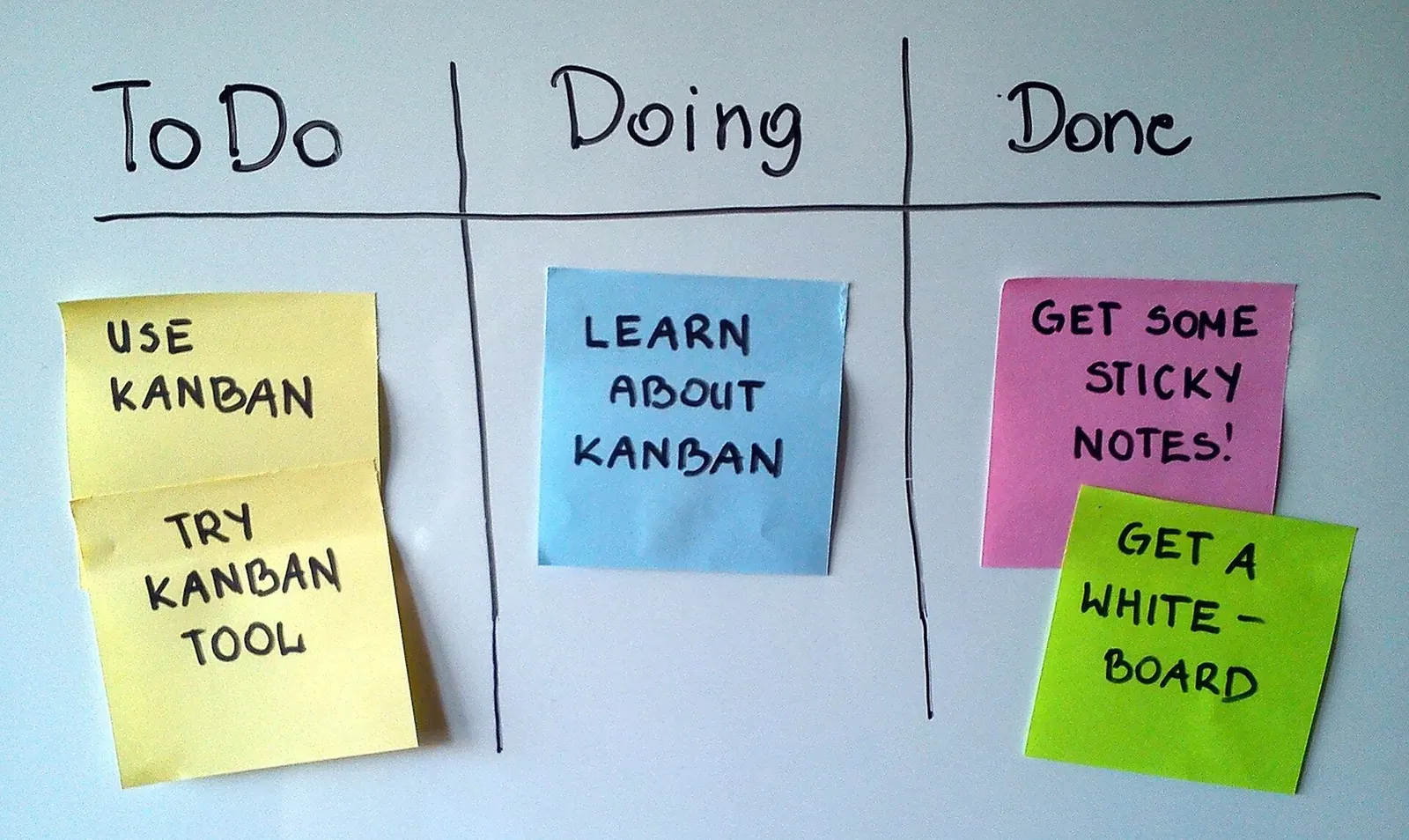
- Work visible on a shared board, so progress is never a mystery
- Code reviewed by a second person before it is merged
- Testing built into the process, supported by our QA testing work where needed
5. Regular reviews
At the end of each sprint we show what was built, working, not just described. You give feedback, we adjust the backlog and the next sprint begins with a clearer picture.
Every so often we also step back for a wider review. We look at the pace of delivery, the quality of the code, how well communication is working and whether the team shape still fits. If something needs to change, such as adding a designer or a tester, this is the time to say so.
After launch
Shipping is not the end of the story. Many clients continue with a smaller team for fixes, updates and improvements. Our maintenance and support service covers that stage.
What we ask of you
- A named contact who can make decisions
- Timely feedback at sprint reviews
- Honest priorities, including what can wait
Ready to begin? You can see everything we do on our services page, or get in touch to arrange a first call.