QA and testing
Testing works best when it runs next to development in every sprint, not as a separate phase at the end.
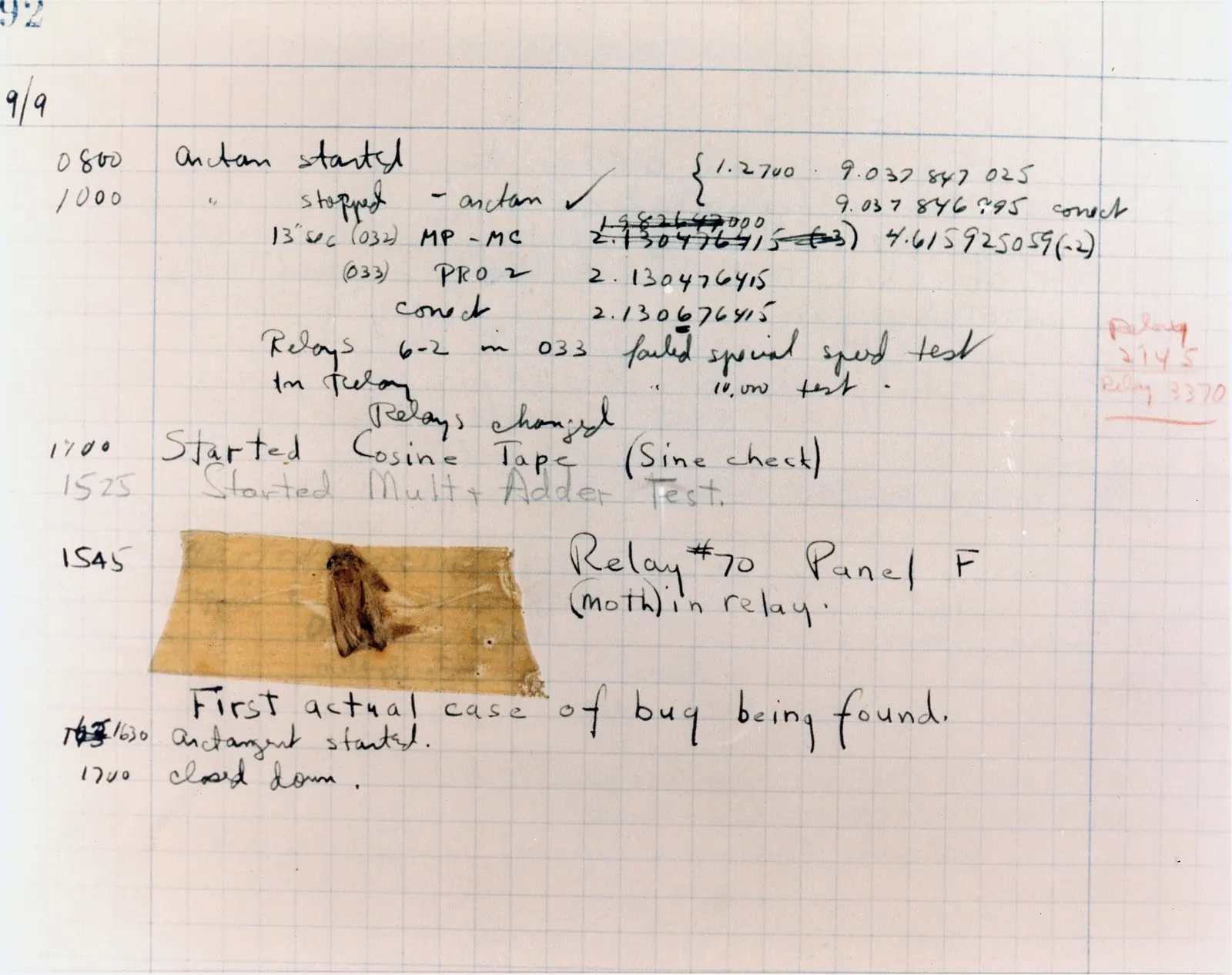
Why test alongside development
A bug found the day after it was written is usually a small fix. The same bug found weeks later has to be traced through other changes, and the developer has moved on to different work. That gap is where most of the extra effort in a project comes from.
For this reason, testers join the sprint from the first planning session. They read the stories, ask questions about unclear behaviour, and prepare checks while the feature is still being built.
How manual and automated testing fit together
Both approaches have a job. Neither replaces the other.
Manual testing
- Exploring a new feature the way a real user would use it.
- Checking layout, wording and flow on different devices and browsers.
- Finding odd cases nobody thought to write down.
Automated testing
- Re-running the same checks on every change, quickly and in the same way each time.
- Guarding important paths such as sign-in, checkout or data import.
- Running as part of the build, so a broken change is flagged before it is merged.
A common pattern is to explore a feature by hand first, then automate the checks that will be repeated often. Automating everything is rarely worth the upkeep.
What a test plan contains
A test plan does not need to be long. A useful one covers:
- Scope: what is being tested and what is left out for now.
- Environments: browsers, devices, operating systems and test data.
- Key scenarios: the main journeys and the risky edge cases.
- Entry and exit points: when testing can start and what "done" means.
- Who does what: which checks are automated and which are manual.
What a good bug report contains
A clear report lets a developer reproduce the problem without a follow-up conversation.
- A short title that describes the symptom.
- Numbered steps to reproduce it.
- What was expected and what actually happened.
- The environment: browser, device, app version, test account.
- A screenshot, recording or log excerpt where it helps.
- A severity note, so the team can decide what to fix first.
How it runs in a sprint
During a sprint, testers check finished stories as they arrive rather than waiting for a batch. Regression checks run on each build. Before a release, a short pass over the main journeys confirms nothing important has shifted. Findings go into the same tracker the developers use, so there is one list of work.
Because teams often work across several time zones, written reports and clear acceptance criteria matter. See how we handle time zones for how handovers are arranged.
Where to go next
- Testing as part of a dedicated team or added through staff augmentation.
- Ongoing checks after launch under maintenance and support.
- Writing acceptance criteria in how to brief a development project.
If you have a product that needs a testing approach, get in touch and we can talk it through.