UI/UX design
Good interface design starts with understanding the people who will use the product, and ends with files a developer can build from without guessing.
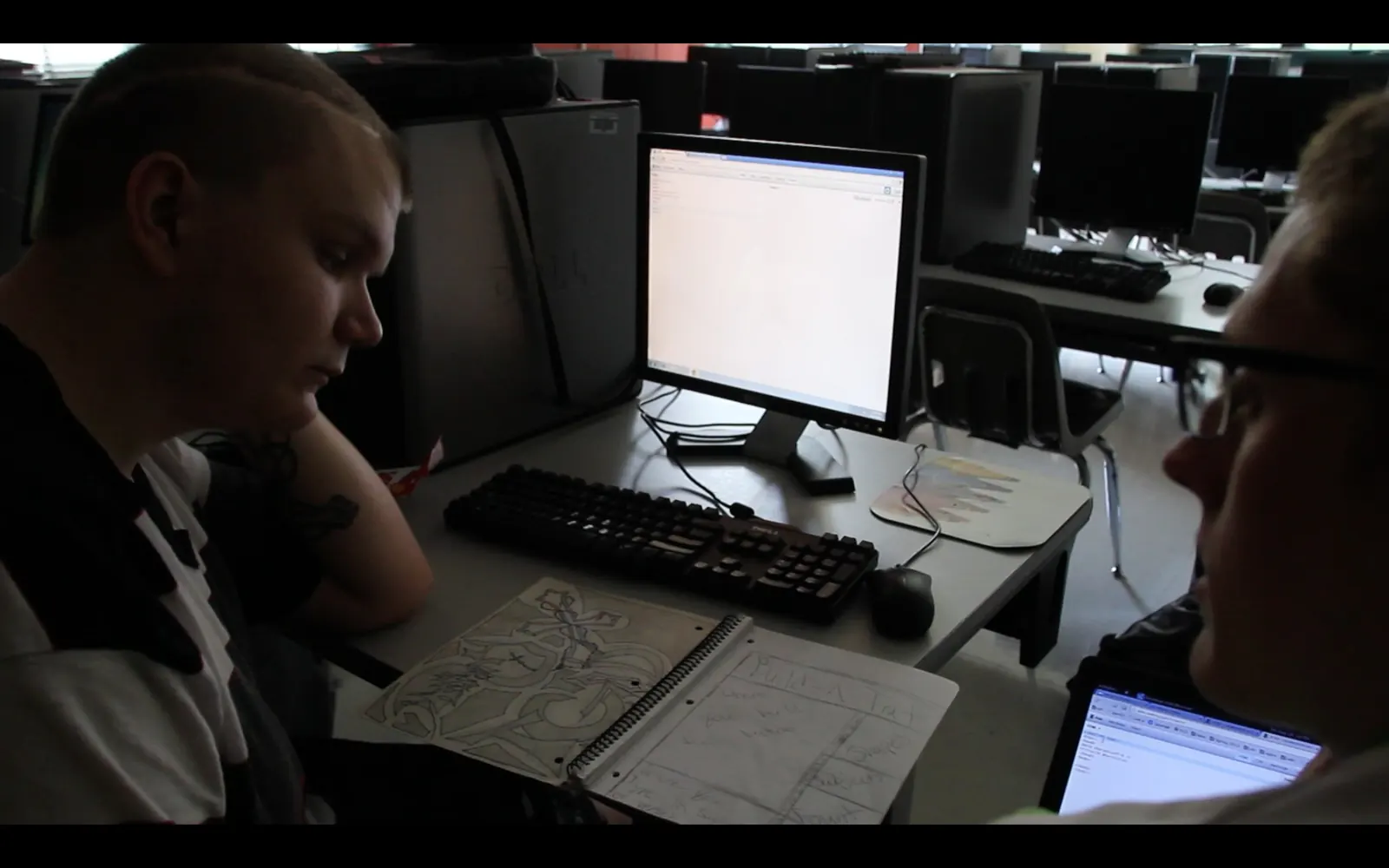
UI and UX design are two halves of the same job. UX is about how a product works for the person using it: what they are trying to do, which steps get them there, and where they might get stuck. UI is about how it looks and feels: layout, type, colour, spacing and the small details of each control. Here is how we move through both, and how the result reaches developers.
Step 1: Understand the users and the goal
Design begins with questions, not screens. Who will use this? What are they trying to get done? What do they use today, and what annoys them about it? Short conversations with real users, a look at existing analytics, and a review of similar products usually give enough to start.
Step 2: Map the flows
Next we sketch the paths people take through the product, such as signing up, finding an item, completing a purchase or fixing a mistake. A simple flow diagram shows every step and decision. It is the cheapest place to spot a confusing journey, so it is worth getting right before any visual work.
Step 3: Wireframes
Wireframes are plain, low-detail layouts. They show what goes on each screen and in what order, without colour or branding to distract from the structure. Because they are quick to change, they are where most big decisions get settled.
Step 4: Prototypes
A clickable prototype lets people try the idea before anything is built. Tools such as Figma or Adobe XD are common for this. Watching someone tap through a prototype often reveals problems that no amount of discussion would have found. Responsive layouts for the web and platform conventions for iOS and Android are checked at this stage.
Step 5: The finished interface
Once the structure holds up, the visual design is applied. This covers:
- Colour, typography and iconography
- A reusable component library and spacing rules
- States for every element: default, hover, pressed, disabled, error and empty
- Layouts for different screen sizes
- Accessibility basics, such as readable contrast and sensible touch targets
How designers hand work to developers
A smooth handoff is mostly about clarity and early contact. Developers should see the work before it is final, not after. A good handoff includes:
- Organised design files with clear names for pages and components
- A shared style guide covering colours, type sizes and spacing
- Exported assets in the formats the build needs
- Notes on behaviour: animations, validation messages, loading states
- A short walkthrough call, then ongoing answers to questions as they come up
When designers and developers work in the same rhythm, as described in how we work, fewer details get lost along the way.
What to prepare before design begins
You do not need a finished specification. These items make the first week much more productive:
- A plain description of the problem the product solves and for whom
- Any existing brand materials: logo, colours, fonts
- Examples of products you like, and ones you do not
- Known constraints, such as platforms, devices or integrations
- Access to analytics or user feedback, if you have it
- One person who can make decisions and answer questions quickly
If you are unsure how to put this together, how to brief a development project walks through it step by step.
Where design fits with the rest of the build
Design feeds directly into web application development and mobile apps. It also pairs well with QA testing, which checks that what ships matches what was designed. To talk about a project, visit the contact page.